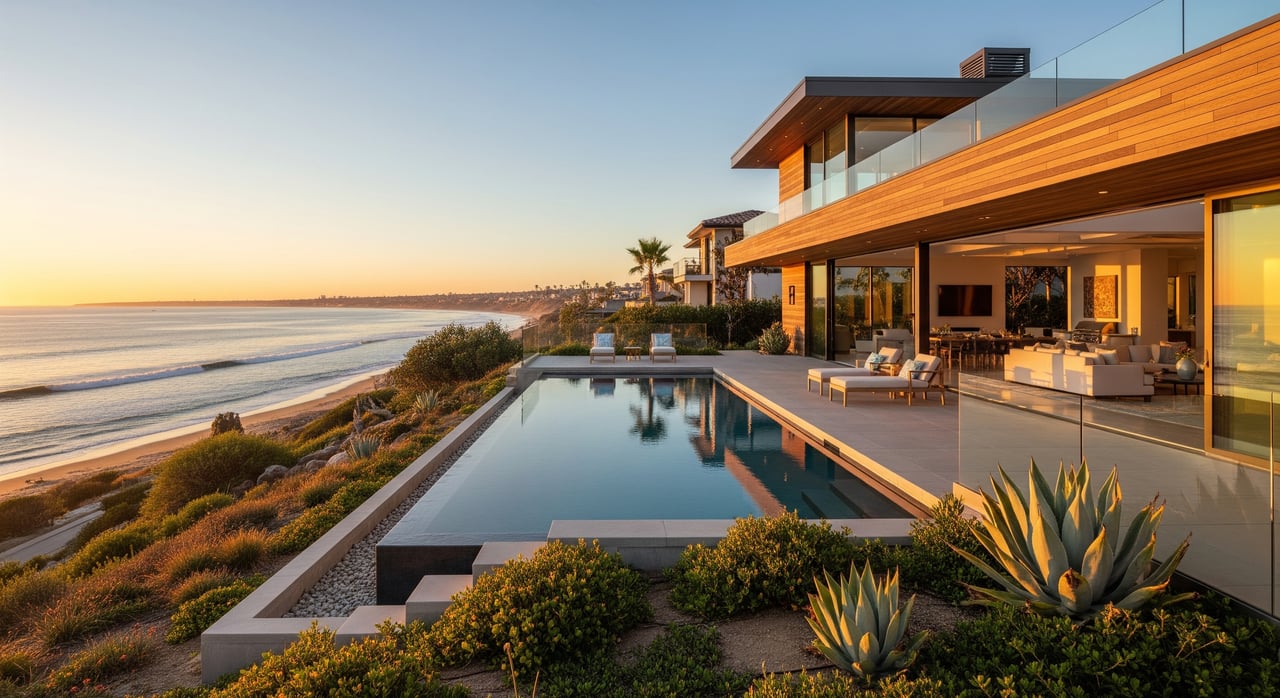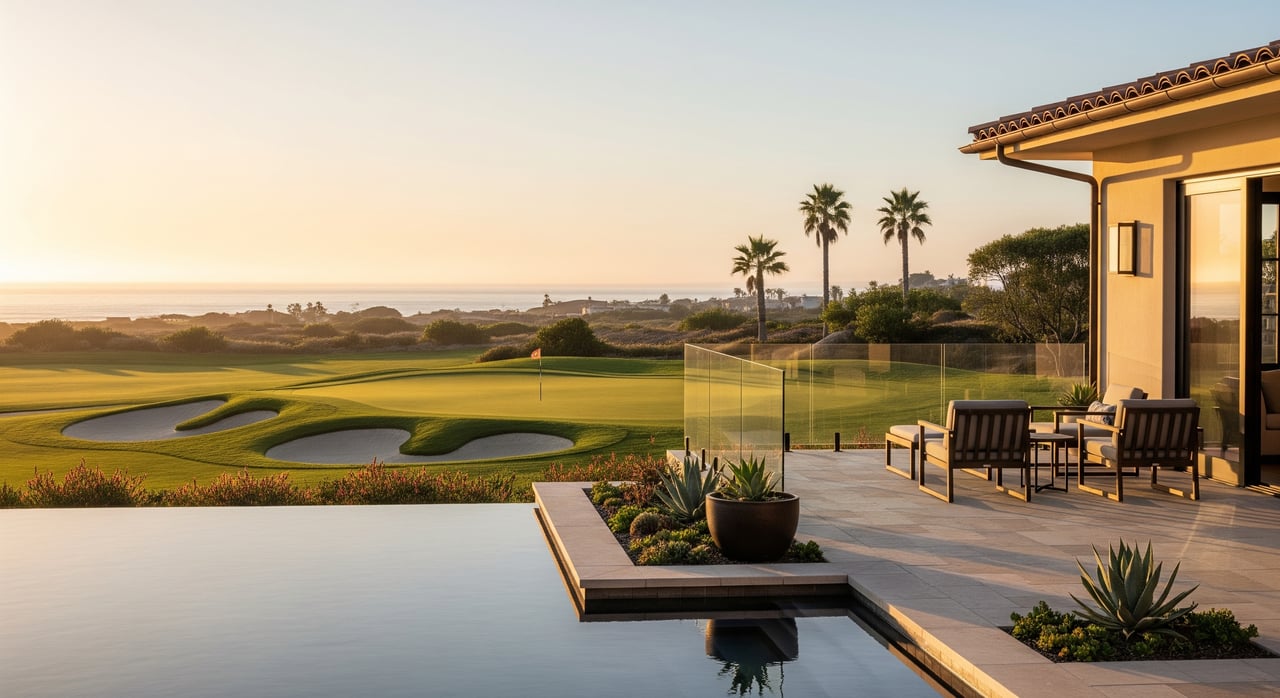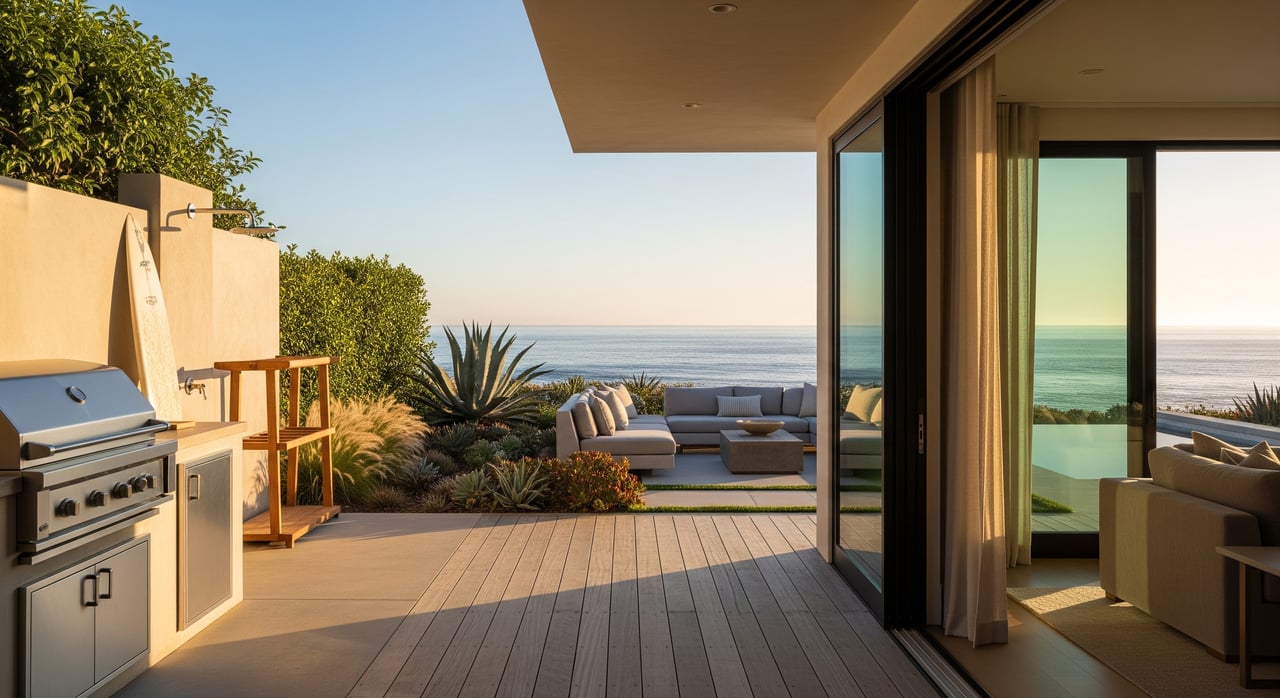
Is your Encinitas home taking a beating from salt air and sunshine? Living near the ocean comes with the lifestyle you love, but coastal conditions can quietly wear down finishes, fasteners, and major systems. You want your property to look great and hold its value without surprise repairs. In this guide, you’ll learn how Encinitas’ marine environment affects your home, the materials that last, a realistic maintenance plan, and the upgrades that support resale. Let’s dive in.
Why coastal care matters in Encinitas
Morning marine layer, salt spray, and bright sun set Encinitas apart. Salt carries chloride ions that speed up corrosion on metals like fasteners, flashing, gutters, and HVAC coils. Effects are strongest on seaward-facing walls and rooflines, and in areas that trap moisture.
Coastal humidity promotes mildew and algae on siding and decks. UV exposure fades paints and wood finishes, especially on sun-exposed elevations. Wind can push salty air farther inland and stress screens, fences, and landscaping. Over the long term, sea-level rise and bluff erosion are planning factors for some properties, particularly along bluffs.
The bottom line: the same elements that make Encinitas beautiful also shorten maintenance cycles. A proactive plan keeps small issues from becoming expensive problems.
Choose materials that last by the ocean
Siding and exterior cladding
- Fiber cement and stucco handle moisture and salt well when paired with quality primers and topcoats. Inspect for hairline cracks and keep caulking sound.
- Sealed masonry and cementitious finishes perform well if flashing and drainage details are correct.
- Wood siding looks warm but needs more frequent finish maintenance. Use rot-resistant species and stay on top of paint or stain on windward sides.
Roofing that resists salt and sun
- Clay and concrete tile are common locally and stand up to coastal conditions. The weak links are flashing, underlayment, and fasteners, so choose corrosion-resistant components.
- Metal roofs can work well if you select aluminum, coated steel with marine-grade finishes, or systems with stainless fasteners. Avoid uncoated mild steel.
- Inspect ridge caps, penetrations, and sealants regularly since salt accelerates corrosion at joints.
Windows and doors built for coastal life
- Frames: Vinyl (uPVC) and fiberglass resist corrosion and require low maintenance. If you prefer aluminum, look for anodized or painted systems with thermal breaks and manufacturer guidance for coastal use.
- Glass: Tempered glass provides safety. Laminated glass adds sound reduction and improved durability against wind-driven debris. Impact-rated glazing is not generally required on the Pacific coast, though some owners choose it for added resilience.
- Hardware: Choose 316 marine-grade stainless steel for hinges, locks, and fasteners. Coated hardware is less reliable over time than the right stainless alloy.
- Labels: Seek NFRC energy ratings and AAMA/WDMA performance classes, and confirm manufacturer recommendations for coastal exposure.
Fasteners, flashing, and hardware
- Use 316 stainless steel or silicon bronze for exposed fasteners and connectors. While 304 stainless is better than common steel, it is less resistant than 316 in high-chloride environments.
- Hot-dip galvanized steel can be suitable in protected areas, but stainless typically outperforms it in very salty zones.
- Design details matter. Avoid crevices where salt collects and ensure positive drainage behind cladding and trim.
Decks, rails, and balconies
- Composite or capped composite decking performs well near salt and requires routine cleaning rather than frequent refinishing.
- Pressure-treated lumber is appropriate where needed. Pair all wood members with stainless fasteners to prevent staining and corrosion.
- Railings and connectors should be stainless or quality powder-coated systems with stainless fasteners.
HVAC and exterior metal systems
- Coastal air can be hard on condenser coils and housings. Use units with corrosion-resistant coils, add protective coatings when recommended, and schedule more frequent cleanings.
- Place outdoor equipment in sheltered, upwind spots when possible. Consider elevated platforms and screens to reduce direct salt buildup.
- Protect exposed refrigerant lines and controls to limit corrosion.
Concrete, foundations, and rebar protection
- Salt can penetrate concrete and cause rebar corrosion over time. For new work, specify low-permeability mixes and adequate cover over reinforcement. Corrosion-inhibiting admixtures or epoxy-coated or stainless reinforcement may be warranted in higher-risk exposures.
- For existing patios, pools, and foundations, watch for efflorescence, cracking, rust staining, or spalling and address issues early.
Your seasonal maintenance plan
A set schedule keeps your Encinitas home looking fresh and operating as designed. Adjust frequency based on proximity to the shore, wind exposure, and what you observe.
Quarterly checks and post-storm care
- Rinse salt and grime from siding, decks, railings, and windows. Homes within the immediate spray zone may need more frequent rinsing.
- Walk the property after major wind or rain. Look for lifted shingles or tiles, clogged drains, and loose trim or screens.
- Check visible fasteners and hardware on gates, railings, and outdoor fixtures. Replace corroded parts with 316 stainless.
Twice-yearly service
- Gutters and downspouts: Clear in spring and fall. Salt and debris can reduce drainage and speed corrosion.
- HVAC: Service before summer and winter. Clean condenser coils, inspect for corrosion, and replace filters regularly.
- Exterior wash: Plan a thorough rinse and mild wash at least twice a year, more often if close to the ocean or after a string of storms.
Annual inspection checklist
- Roof and flashing: Inspect tiles or shingles, ridge caps, penetrations, and sealants. Address corrosion or fastener backouts quickly.
- Siding and paint: Look for peeling, chalking, mildew, and caulk failures around windows, doors, and trim.
- Windows and doors: Clean tracks, lubricate moving parts, and check weatherstripping and exterior sealant.
- Decks and balconies: Examine connectors, joist hangers, and rail hardware. Prioritize safety-related corrosion corrections.
- Concrete and masonry: Look for cracks, rust staining, or spalling on slabs and retaining elements. Early intervention is key.
As-needed items that prevent bigger repairs
- Repaint and refinish sooner on windward elevations. Coastal trim and high-exposure surfaces often need shorter repaint cycles. Use marine-grade primers and topcoats when possible.
- Reseal failed caulk around penetrations and openings to prevent water intrusion.
- Replace any rusted fasteners with 316 stainless and upgrade hardware to corrosion-resistant options.
- Adjust irrigation to avoid overspray on siding and to maintain positive drainage away from the foundation.
Protect the big systems first
Start where issues are most costly to fix and most visible to future buyers.
- Roof and water management: Keep flashing intact, gutters clear, and sealants fresh. Preventing leaks protects structure and interiors.
- Windows and doors: Corroded hardware, stuck locks, or fogged glass signal deferred maintenance. Coastal-rated frames and stainless hardware reduce those risks.
- Structural connections and safety: Deck connectors, rail posts, and stair hardware should be stainless and inspected annually. Address corrosion promptly.
- Exterior envelope: Sound paint, sealant, and drainage details prevent moisture problems and extend finish life.
Preserve curb appeal and resale value
Coastal buyers expect well-cared-for homes and appreciate durable upgrades. Save maintenance records, inspection notes, and receipts for major work like roofing, window replacements, stainless hardware swaps, and HVAC service. Documentation builds trust and helps justify your asking price.
If your home is close to the shoreline or exposed to prevailing winds, note that in your records along with any professional reports. When you plan exterior changes, check permitting needs with the City of Encinitas Building Division and confirm any California Building Code or California Coastal Commission requirements that may apply. Policies vary, so review your homeowners insurance for any coastal-specific standards related to roofing or glazing.
Investing in premium materials often pays off over time. Items like 316 stainless fasteners and hardware, fiberglass or vinyl windows, high-end marine coatings, and laminated glass can reduce visible wear, cut replacement frequency, and support curb appeal.
Encinitas planning and long-term coastal risks
If you own on or near coastal bluffs, keep long-term planning in view. California coastal guidance considers sea-level rise and bluff erosion for certain sites. Professional coastal or geotechnical assessments can help you understand stability, future setbacks, and feasible mitigation. When selling, a clear record of inspections and any relevant reports improves buyer confidence.
When to call local pros
- Licensed general contractors experienced with coastal materials and assemblies.
- Window and glazing specialists familiar with coastal-rated frames, laminated options, and AAMA, NFRC, and WDMA standards.
- Roofing contractors who work with corrosion-resistant flashing and coatings.
- HVAC technicians who service coastal condensers and protective coatings.
- Structural or corrosion specialists for rebar or metal system concerns.
- Coastal or geotechnical engineers for bluff stability reviews or sea-level planning.
A simple coastal homeowner checklist
- Annual: Full exterior inspection of roof, flashing, gutters, windows, decking, rails, and foundation.
- Twice yearly: HVAC service and condenser coil cleaning, gutter cleaning, and a full exterior rinse and wash.
- Quarterly or after storms: Rinse salt from exteriors, check visible fasteners and hardware, and clear drains.
- As needed: Replace corroded fasteners with 316 stainless, reseal failing caulk, and repair paint failures promptly.
- Always: Keep maintenance records and receipts to support value and resale.
Protecting your Encinitas home is about smart choices and steady attention. With the right materials and a consistent plan, you can enjoy ocean living while safeguarding curb appeal and long-term value. If you are weighing upgrades before a sale, or you want a tailored plan for your property’s exposure, let’s talk.
Ready to align your maintenance and market goals? Connect with Melissa Catanzaro to review your home, discuss value-adding upgrades, and create a strategy that fits your timelines.
FAQs
How does salt air affect Encinitas homes near the ocean?
- Salt spray carries chloride ions that accelerate corrosion on metals and shorten the life of finishes, most noticeably on seaward walls, rooflines, and areas that trap moisture.
What materials hold up best for coastal fasteners and hardware?
- 316 marine-grade stainless steel is preferred for exposed fasteners and hardware in high-salt areas, while hot-dip galvanized steel is acceptable in more protected conditions.
How often should I repaint exterior trim in Encinitas?
- Coastal exposure typically shortens repaint cycles, so expect more frequent touch-ups and a likely repaint within a few years on trim and high-exposure areas depending on coating quality and exposure.
Do I need impact-rated windows in Encinitas?
- Impact glazing is not generally required on the Pacific coast, though laminated glass can add sound reduction, durability against debris, and potential insurance benefits.
What records help resale for a coastal property in Encinitas?
- Keep dated maintenance logs, inspection notes, and receipts for upgrades like roofing, windows, stainless hardware replacements, and HVAC service to build buyer confidence.