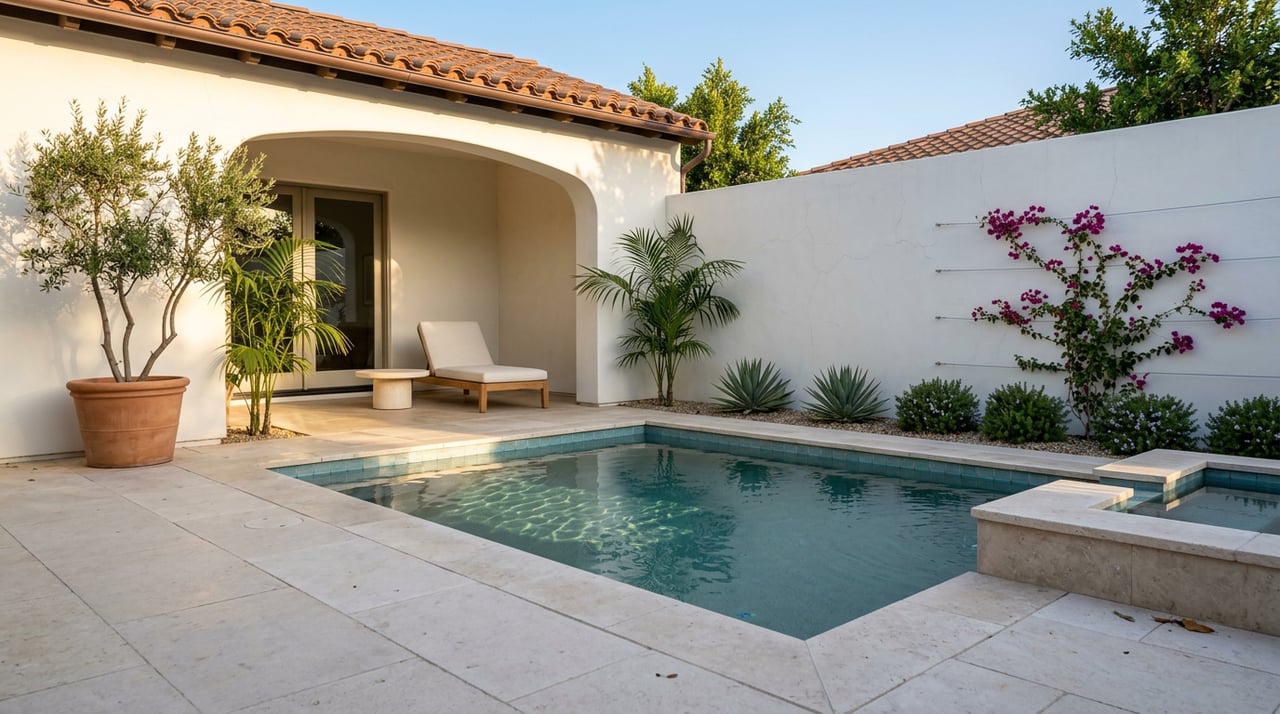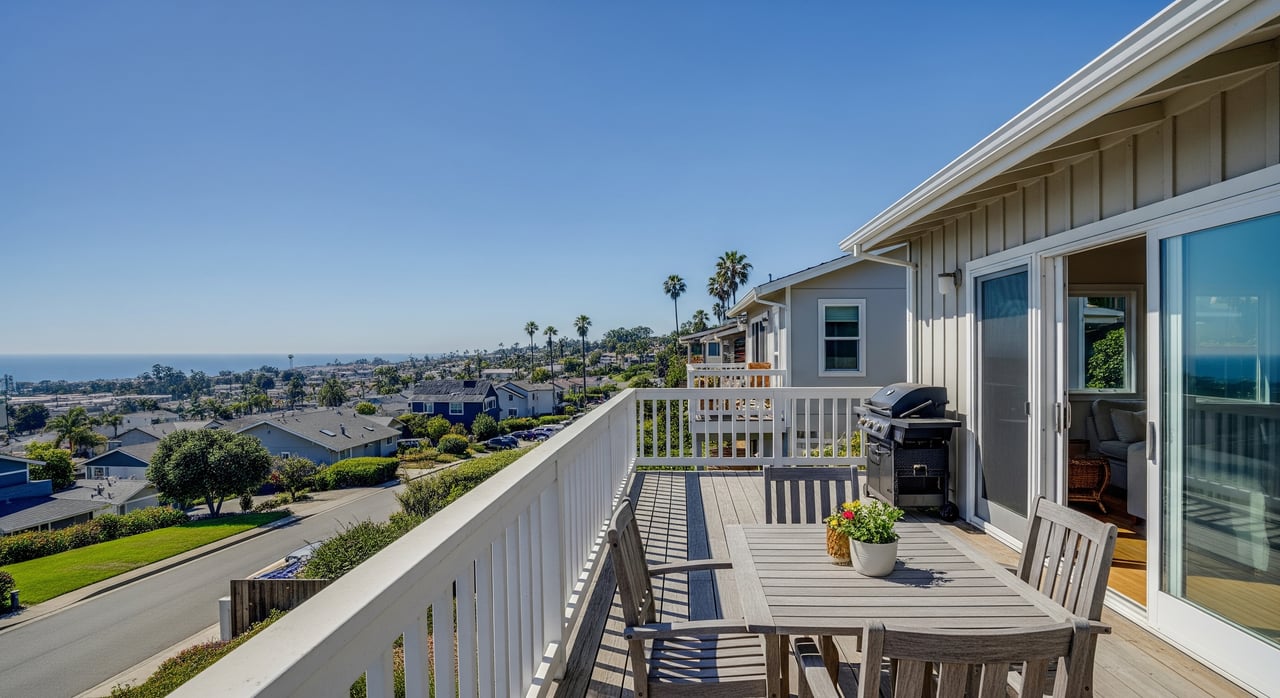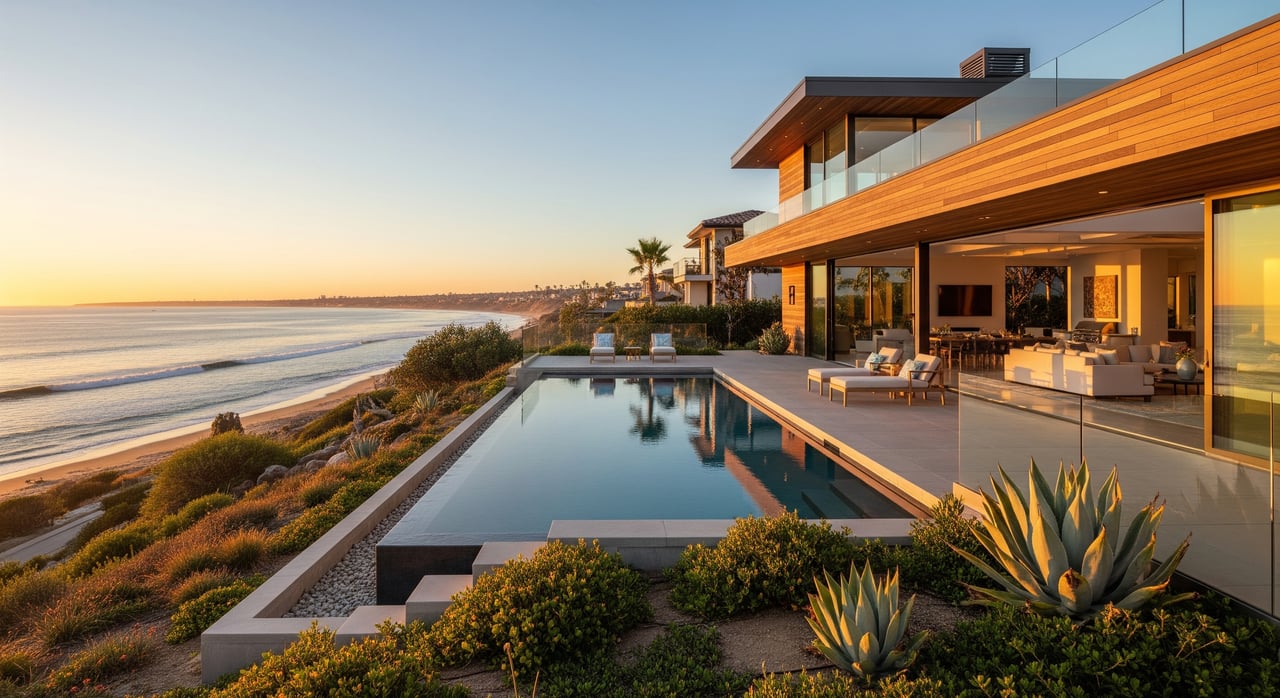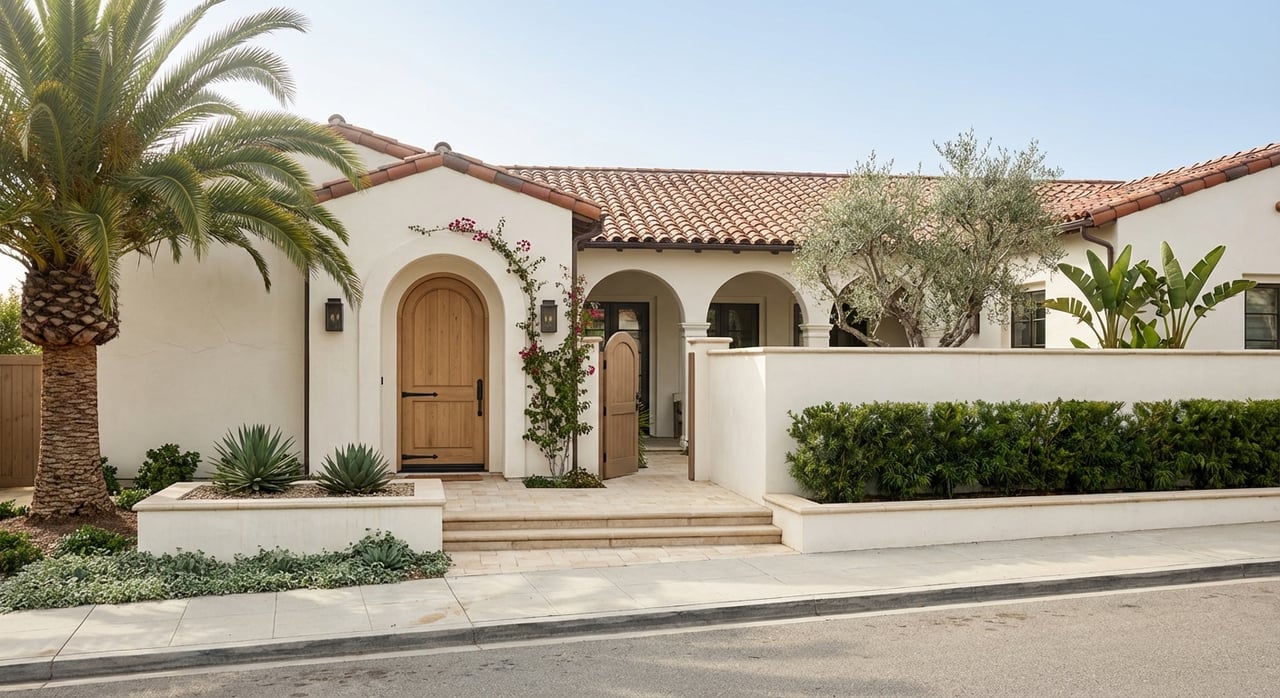
Two homes in Carlsbad can sit less than a mile apart and sell for very different prices. If you have been comparing a beach‑close cottage, a lagoon‑view townhome, and a golf‑adjacent residence inland, you have probably felt the whiplash. You want clarity on what truly drives those price gaps so you can buy or sell with confidence. In this guide, you will learn how proximity to the ocean, views, amenities, and local policies shape value, plus a practical way to evaluate any Carlsbad listing. Let’s dive in.
Why the coast commands a premium
Coastal North County is prized for lifestyle and limited supply. In real estate, scarcity and convenience move prices. In Carlsbad, closeness to the Pacific and high‑quality views concentrate buyer demand into a few small areas, which pushes values up.
Distance to the ocean matters most
Academic work on San Diego County shows a strong, nonlinear “coastal premium.” Homes very near the coast see the largest price effects, which decline quickly with distance. In a hedonic analysis for San Diego County, researchers found the premium drops off rapidly and becomes minor beyond several miles. That pattern helps explain why an address west of I‑5 can behave like a different micro‑market than a similar home farther inland. You can read the county‑level proximity findings in the published analysis of San Diego sales data on Springer.
The value of an ocean or lagoon view
Not all views are equal. Studies show that water views carry measurable premiums that scale with quality and openness. Unobstructed ocean panoramas often command the strongest effects, while partial or filtered views show smaller, but still meaningful, lift. The exact numbers vary by market and time, so you should validate adjustments with recent comps. For a helpful overview of how appraisers model view quality, see the classic water‑view analysis summarized here.
Market snapshot at a glance
As a quick reference point, Carlsbad’s median sale price was about 1,432,500 dollars in January 2026, according to Redfin’s city overview. Remember that medians shift month to month and can mask micro‑market differences. West‑of‑5 beach corridors, lagoon‑adjacent pockets, and golf‑front tracts often trade above the city median, while older inland stock or homes near noise corridors may trade below. Use the median only as context, then price from neighborhood‑level comps.
Local features that raise value
Carlsbad’s coastline and amenities create distinct micro‑areas. Here are the local elements that most often push prices higher.
Beach access and the coastal lifestyle
Carlsbad’s 6.5 miles of beaches are the city’s signature amenity. Homes with walkable beach access or bluff‑top locations feel rare, and that scarcity fuels competition. Even a few blocks closer to the sand can translate to stronger demand. Street patterns, parking, and topography also influence perceived access, which is why two nearby addresses can behave differently on market.
Lagoons and protected open space
Batiquitos, Agua Hedionda, and Buena Vista lagoons add trails, wildlife habitat, and broad open‑space buffers that many buyers value. Homes that frame water, preserve, or trail views create a softer, “unbuilt” outlook that competes with ocean‑adjacent stock for attention. As with ocean views, the quality and permanence of a lagoon view matter when you size any premium.
Golf and resort adjacency
La Costa’s resort district anchors a cluster of golf‑adjacent neighborhoods where manicured fairway views, private community amenities, and membership options can lift values. Properties in places like Aviara and La Costa Greens often benefit from this resort‑style environment and consistent presentation. To understand the amenity draw for buyers, review the local resort’s offerings at the Omni La Costa Resort & Spa.
Transit and commuter convenience
Proximity to I‑5 access points and Carlsbad’s two COASTER stations (Village and Poinsettia) is a practical value driver for many buyers. Shorter door‑to‑door time and fewer traffic tradeoffs can make a west‑side condo or townhome more compelling than a larger inland home for some households. When comparing comps, weigh transit convenience alongside size and finish.
Short‑term rental eligibility
Investor demand can be stronger in areas where short‑term vacation rentals are allowed. In Carlsbad, STRs are limited to the Coastal Zone and require permits, a business license, and local tax remittance. Eligible properties can attract more investor interest, but compliance and enforcement are strict. Review the city’s current rules on Short‑Term Vacation Rentals before assuming rental income.
Risks and policies that can reduce prices
Premium locations also come with unique exposures. In coastal markets, risk and regulation inform value as much as lifestyle.
Sea level rise, flooding, and bluff erosion
Carlsbad’s official Sea Level Rise Vulnerability Assessment identifies beaches, bluff‑edge segments of Carlsbad Boulevard, lagoon outlets, and some low‑lying parcels as susceptible to future flooding or erosion. Before you price or write an offer on any coastal or bluff‑top property, screen parcel‑level exposure using the city’s Sea Level Rise Vulnerability Assessment, the NOAA Sea Level Rise Viewer, and official FEMA flood maps. Elevated mitigation or insurance costs can affect long‑term affordability and resale.
Shoreline armoring and policy limits
In some California counties, research links large increases in shoreline armoring to lower nearby property values, even as armoring protects individual structures. California Coastal Commission policies also shape what is allowed for bluff‑front protection over time. If you are evaluating a bluff‑top home, factor the policy context into your pricing and risk plan. You can review a peer‑reviewed summary of armoring and value effects here.
Airport noise near McClellan‑Palomar
Flight paths and any proposed changes to service can influence buyer demand for nearby neighborhoods. Local reporting has covered community concerns around aircraft size and frequency. If noise sensitivity is a factor for your household, compare on‑path and off‑path comps and visit at multiple times of day. For background on recent developments, see this McClellan‑Palomar update.
How to evaluate a Carlsbad coastal listing
Use this framework to compare apples to apples and make confident decisions.
- Define the micro‑market first
- Identify whether the home is bluff‑top, beach‑close, lagoon‑adjacent, golf‑front, or in a master‑planned inland tract. Compare only to comps with similar proximity, view, and neighborhood context, ideally within 0.25 to 0.5 miles.
- Check three headline metrics
- Price per finished square foot compared to close‑in comps.
- Days on market and sale‑to‑list ratio to gauge momentum.
- Recent sales from the last 6 to 12 months, then adjust for bed/bath count, lot size, upgrades, and condition.
- Adjust for attributes that move price
- View quality and permanence: unobstructed ocean or lagoon views typically rank highest. Use academic studies as directional support, but size the effect from fresh comps. For proximity and view research, see the San Diego coastal premium analysis on Springer and the water‑view study on Scribd.
- Elevation and exposure: verify FEMA flood zone, coastal vulnerability, and bluff stability. Start with the city’s SLR materials and the NOAA viewer and confirm with the FEMA map portal.
- Amenities and HOA value: golf‑front lots, private trail access, and resort‑style features often price above nearby homes without those benefits. Explore buyer demand drivers at places like the Omni La Costa Resort & Spa.
- STR status: if investor yield matters, confirm the property sits in the eligible zone and meets all permit and tax rules via the city’s STR page.
- Confirm regulatory and insurance items early
- Pull disclosures, ask for any geotechnical or bluff reports if applicable, and consult your insurance advisor on projected premiums and coverage availability. Use the city’s Sea Level Rise Assessment as a planning reference.
- Layer in livability factors
- Weigh commute time, access to COASTER stations, and proximity to daily needs. If school zoning is part of your decision, review district resources directly and keep descriptions neutral and factual.
- Test sensitivity with scenario pricing
- Price your top comp set, then run best‑case and conservative cases by toggling view quality, exposure, and buyer competition. This reduces surprise during appraisal or inspection.
Quick coastal risk checklist
Use this simple list before you move forward on any beach‑adjacent or bluff‑top home.
- FEMA flood zone status and base flood elevation
- City sea level rise and erosion screening
- Bluff stability or geotechnical reporting, if relevant
- Insurance quotes and coverage limitations
- STR eligibility and permit transfer, if investing
- Airport noise corridor and major road exposure
- HOA rules and maintenance obligations affecting views or improvements
Buyer and seller tips
If you are buying
- Focus on the micro‑market that fits your lifestyle. Decide early if you will trade interior space for beach access or views.
- Validate the view. Walk the property at different times of day, and confirm any vegetation or HOA rules that could change a sightline.
- Price with comps, not headlines. Use the city median only as context, then size your offer from recent, hyper‑local sales.
- Underwrite risk. Screen flood and coastal exposure, call your insurer for quotes, and budget for future maintenance unique to coastal living.
If you are selling
- Lead with what buyers value most. Highlight walkable beach access, ocean or lagoon sightlines, and resort or trail amenities in your marketing.
- Prepare the home to show its setting. Trim landscaping to open view corridors and stage outdoor spaces to frame the outlook.
- Provide clarity on risk and maintenance. Organized disclosures, any available engineering reports, and evidence of well‑maintained systems help preserve buyer confidence and price.
- Price within the micro‑market. Anchor to the closest, most similar comps and justify any premium with clear, documented differences.
When you want a strategy tailored to your address and your goals, connect with Melissa Catanzaro for a confidential consultation.
FAQs
How far from the beach does the price premium fade in Carlsbad?
- County‑level research shows the coastal premium is largest very close to the ocean and declines quickly with distance, becoming modest several miles inland. Always confirm current effects with recent, nearby comps.
How much is an ocean view worth in Carlsbad specifically?
- Studies show water views add material value, with higher premiums for unobstructed, high‑quality views. The exact percentage varies by listing, so size the adjustment using local comps within the same view corridor.
Do lagoon‑adjacent homes usually sell for more?
- Many lagoon‑area homes benefit from open‑space buffers, trails, and water or preserve views, which can raise demand. The effect depends on view quality, access, and neighborhood context.
Can I legally operate a short‑term rental in Carlsbad?
- Only in the Coastal Zone and with proper permits, licensing, and tax remittance. Review current rules on the city’s Short‑Term Vacation Rentals page before underwriting income.
How do I check if a coastal home is in a flood or erosion zone?
- Start with the city’s Sea Level Rise Assessment, the NOAA Sea Level Rise Viewer, and the FEMA Flood Map Service Center, then consult your insurer and qualified engineers for site‑specific guidance.