Selling in Rancho Santa Fe is different. Today’s luxury buyers expect privacy, turnkey condition, and a curated lifestyle experience from the first click to the final walkthrough. If you are preparing to list an estate here, you need a plan that blends thoughtful updates, proper approvals, and white‑glove presentation. In this guide, you will learn the key steps to get market ready, what buyers in this tier value most, and how to move from prep to launch with confidence. Let’s dive in.
Know today’s RSF buyer
Rancho Santa Fe sits in a true luxury tier, with typical prices in the multi‑million range. As dated context, Zillow reported an average home value of $4,186,472 and a median list price of $4,929,167 as of January 31, 2026. Always verify with a fresh MLS pull before you go to market.
What high‑net‑worth buyers value
- Privacy and discreet exposure options.
- Turnkey systems and a home that feels move‑in ready.
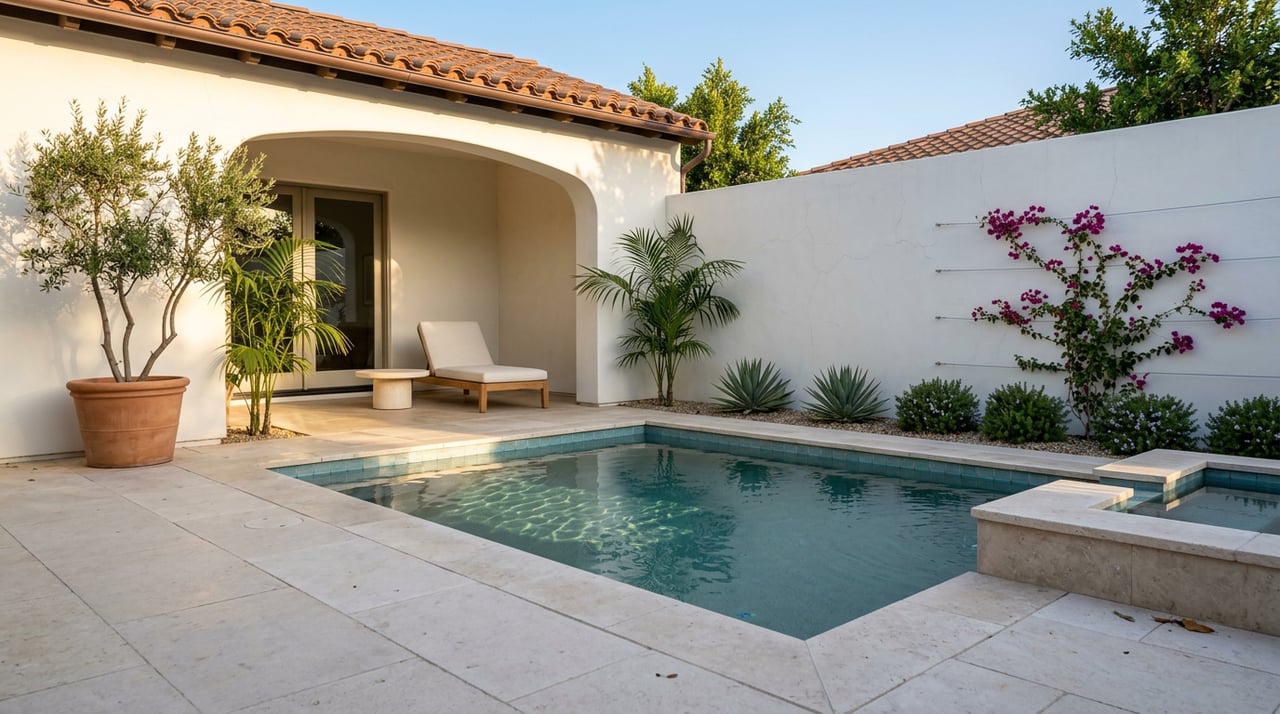
- Lifestyle amenities like indoor‑outdoor living, guest accommodations, pool and wellness spaces, and usable acreage or equestrian improvements where applicable.
- Clear evidence of safety and resilience, including wildfire mitigation and reliable mechanicals.
Family offices and private investors remain active in prime markets. Many manage multiple residences and look for both lifestyle fit and capital preservation, which puts a premium on quality, documentation, and risk management. You can see this dynamic in broader prime‑market trends summarized in the Knight Frank Wealth Report.
Governance and approvals you must plan for
The Protective Covenant and Art Jury
Much of the “Covenant” area is governed by the Rancho Santa Fe Association and its Art Jury. The Association’s Residential Design Guidelines outline what requires review, from architecture to perimeter treatments. Treat approvals like a project milestone, not an afterthought. Start by reviewing the Association’s Residential Design Guidelines, and factor in calendar time for submissions and revisions.
Case law confirms this review authority is substantive. In Dolan‑King, the court recognized the Association’s role in design decisions. If you plan visible changes before listing, consult early and build those timelines into your prep. You can read the case summary in Dolan‑King v. Rancho Santa Fe Association.
Disclosures, risk, and due diligence
California disclosures and local questions
Most sellers of one‑to‑four unit properties must provide a Transfer Disclosure Statement and a Natural Hazard Disclosure. Buyers and their counsel will review these closely. For a quick overview of the NHD and its mapped hazards, see the C.A.R. quick guide. Prepare to answer questions about any unpermitted work, special assessments, and Association documents.
Septic, wells, and utilities
Many RSF estates utilize onsite wastewater systems. Gather your septic permits, pumping history, and any repair invoices in advance. San Diego County’s DEH provides clear guidance in its septic system FAQs. On the water side, parts of Rancho Santa Fe are served by the Santa Fe Irrigation District, which can influence irrigation choices and potential rebates. Review resources from the Santa Fe Irrigation District as you plan landscape updates.
Wildfire risk, home hardening, and insurance
Rancho Santa Fe sits within a wildland‑urban interface. Defensible space and home‑hardening measures can improve buyer confidence and affect insurability. Use CAL FIRE’s guidance on home hardening and defensible space to plan work like ember‑resistant venting, hardened eaves, and clear Zone 0 around structures. The Rancho Santa Fe Fire Protection District also outlines expectations for alarms, sprinklers, and protection systems. Review their home protection systems guidance and keep documentation of completed work and inspections.
Strategic updates that pay off
The goal is to showcase a sophisticated, private, turnkey estate. Spend where it matters most for this tier.
Fix function first
Prioritize mechanicals, roof, HVAC, pool equipment, and safety systems before cosmetic upgrades. Well‑maintained systems reduce buyer objections and renegotiation risk. If your property uses septic or well systems, address needed repairs now and document warranties and service contracts. Keep receipts for any work related to sprinklers, alarms, or defensible‑space improvements per the Fire Protection District’s guidance.
Targeted interior refreshes
Full gut remodels rarely pencil right before listing unless your comps demand it. Focus on curated kitchen updates, a primary‑suite refresh, modern lighting and fixtures, and a paint and flooring tune‑up that brightens spaces. Regional appraisal and Cost vs. Value analyses consistently rank strategic kitchen and certain exterior projects among the better value recapture categories. For context on how remodel scope relates to value, see this appraisal‑led renovation ROI commentary.
Landscape, curb appeal, and fire‑wise design
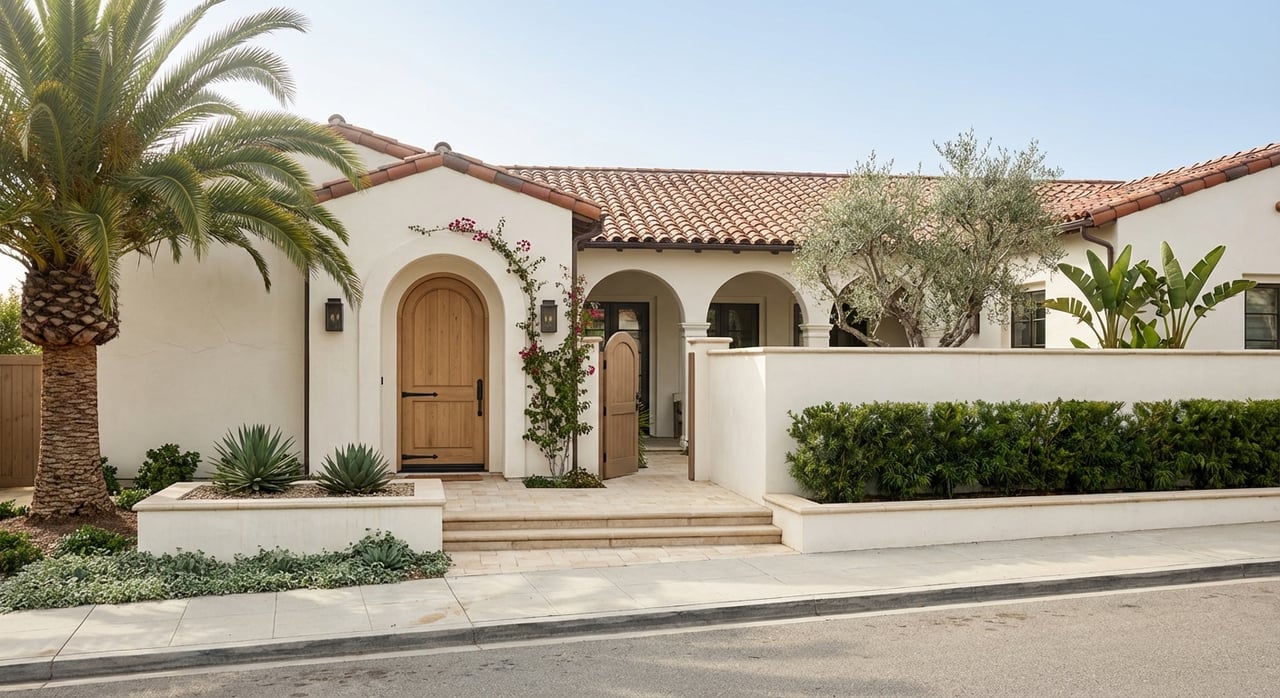
Buyers read the landscape as an extension of the home. Aim for drought‑aware planting, layered privacy, and clean circulation paths that frame the architecture. Consider upgrading irrigation controls and turf only where it adds usable function. Check potential rebates and local rules with the Santa Fe Irrigation District. Just as important, make your wildfire mitigation visible and verifiable. Use CAL FIRE’s home‑hardening guidance to shape an emberscape plan and document completed work for buyer review.
Privacy and perimeter solutions
Attractive, secure perimeter treatments are a top priority for RSF buyers, but they are also a common Art Jury review item. Before altering fences, gates, or visible hedging, confirm allowable treatments under the Covenant to avoid rework. The Dolan‑King decision underscores why early consultation matters; review the case summary and coordinate with the Association’s design guidelines.
Presentation and marketing that meet expectations
Staging that sells the lifestyle
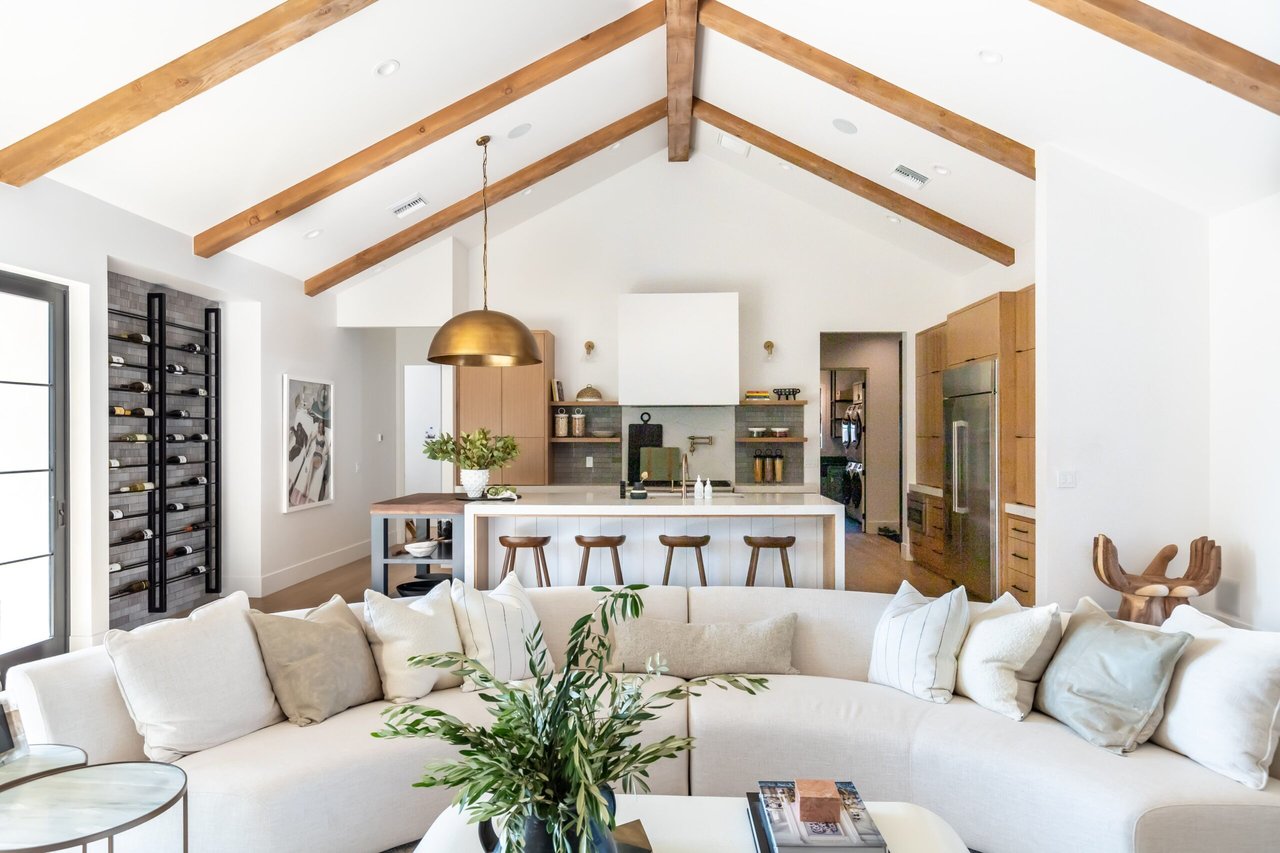
In the luxury tier, staging is standard and strategic. A curated approach that highlights entertaining zones, the primary suite, and kitchen typically delivers the strongest return. The National Association of REALTORS reports that staging can reduce time on market and lift offers. For a quick overview, see NAR’s profile of home staging. Complete staging before photos and video so every asset reflects the final look.
Visual assets and digital collateral
Your marketing package should include high‑resolution interior and exterior photography, twilight images, aerials, and an immersive 3D tour. Provide floor plans, a property website with accurate details, and a downloadable document room for vetted agents. The narrative should telegraph lifestyle and systems confidence, supported by service records and approvals.
How affluent buyers tour
Expect appointment‑only showings, pre‑qualification, and sometimes private or off‑market previews for top‑tier estates. Buyers in this tier often travel to tour and appreciate a white‑glove, discreet experience. Be ready to share technical documentation on request, including permits, Art Jury decisions, septic logs, utility bills, and any wildfire mitigation records. Broader prime‑market behavior, including the role of private buyers and family offices, is outlined in the Knight Frank Wealth Report.
A clear pre‑listing timeline
Use this sequencing to reduce friction and launch with confidence:
- 3 to 12 months out: Assemble title history, Association and Art Jury records, permits, septic or well documentation, and insurance or loss history. If you anticipate exterior changes, consult the Association early using the Residential Design Guidelines.
- 3 to 6 months out: Complete major mechanical, roof, septic, or safety fixes. Schedule landscaping and defensible‑space work that may need time to establish. Reference the Fire District’s home protection systems guidance as you plan.
- 6 to 8 weeks out: Finish targeted interior updates, deep clean, and remove personal items. Engage a luxury stager. NAR’s staging research can help you prioritize rooms.
- 1 to 2 weeks out: Install staging, then capture professional day and twilight photos, aerials, and a 3D tour. Prepare the property website and a secure document packet with disclosures and service records.
Your seller prep checklist
Use this list to guide conversations and vendor scheduling:
- Association and approvals
- Gather Protective Covenant and Art Jury correspondence and decisions.
- Confirm any planned exterior work aligns with the Residential Design Guidelines.
- Safety, systems, and structure
- Service HVAC, roof, pool equipment, and electrical. Address known issues.
- Review alarms and sprinklers per Fire Protection District guidance.
- If applicable, compile septic permits, pumping logs, and repairs using the County’s septic FAQs.
- Wildfire resilience
- Implement emberscape and Zone 0 work following CAL FIRE home‑hardening guidance.
- Save receipts, before‑and‑after photos, and any inspection reports.
- Water and landscape
- Review irrigation efficiency and potential rebates with the Santa Fe Irrigation District.
- Tune landscaping for privacy, circulation, and curb appeal.
- Interior presentation
- Complete a targeted refresh of kitchen, primary suite, lighting, and paint.
- Engage a professional stager and finalize a photo‑ready layout.
- Marketing assets
- Schedule day and twilight photography, drone, and an immersive 3D tour.
- Build a property website and assemble disclosures and service documentation.
Preparing an RSF estate is equal parts strategy, craftsmanship, and documentation. When you lead with approvals, risk management, and a polished lifestyle story, you help serious buyers say yes faster and with stronger terms. If you are weighing which improvements to prioritize or how to structure a private launch, connect with Melissa Catanzaro to tailor a plan to your property.
FAQs
What is the Rancho Santa Fe Protective Covenant and Art Jury?
- The Association’s Protective Covenant governs design in much of the community, and its Art Jury reviews visible site and architectural changes; start early and follow the Residential Design Guidelines.
How does wildfire risk affect selling an RSF estate?
- Buyers and insurers scrutinize defensible space and home hardening; follow CAL FIRE guidance and keep documentation of completed work to support confidence and coverage.
Which pre‑sale updates typically deliver the best return in luxury?
- Focus on systems first, then targeted refreshes in kitchens, primary suites, paint, and lighting; appraisal‑driven analyses suggest these rank well for value recapture, as noted in this renovation ROI commentary.
What documents should I prepare for high‑net‑worth buyers?
- Assemble TDS/NHD, Art Jury records, permits, septic or well logs, service contracts, utility bills, and wildfire mitigation receipts so vetted buyers can review them quickly.
How far in advance should I start prepping my RSF property?
- Begin 3 to 12 months out for records and any approvals, complete major fixes 3 to 6 months out, and stage and shoot marketing 1 to 2 weeks before launch.